We often think of aging as something that just “happens” a few wrinkles, slower metabolism, a little stiffness. But what if part of that aging process was accelerated by the way we eat and cook?
Modern science calls it glycation, while in Chinese Medicine we’d call it dampness turning to phlegm sticky residues that slow the body, inflame the tissues, and block the free flow of Qi and Blood.
When you understand this connection, everything starts to make sense: the fatigue after meals, the inflammation that won’t calm, the “sluggishness” that no detox seems to fix.
Let’s explore what really happens inside your body, why it blocks weight loss and brain clarity, and how you can gently reverse it.
What is Glycation?
Glycation happens when sugars bind to proteins or fats in your body (or in food) to create AGEs — Advanced Glycation End Products. You can imagine AGEs as sticky, caramelized residues that form whenever we expose food (or our cells) to too much heat or sugar.
They literally “cross-link” tissues, making them rigid, dehydrated, and less able to repair. Over time, AGEs:
- Damage blood vessels and connective tissue
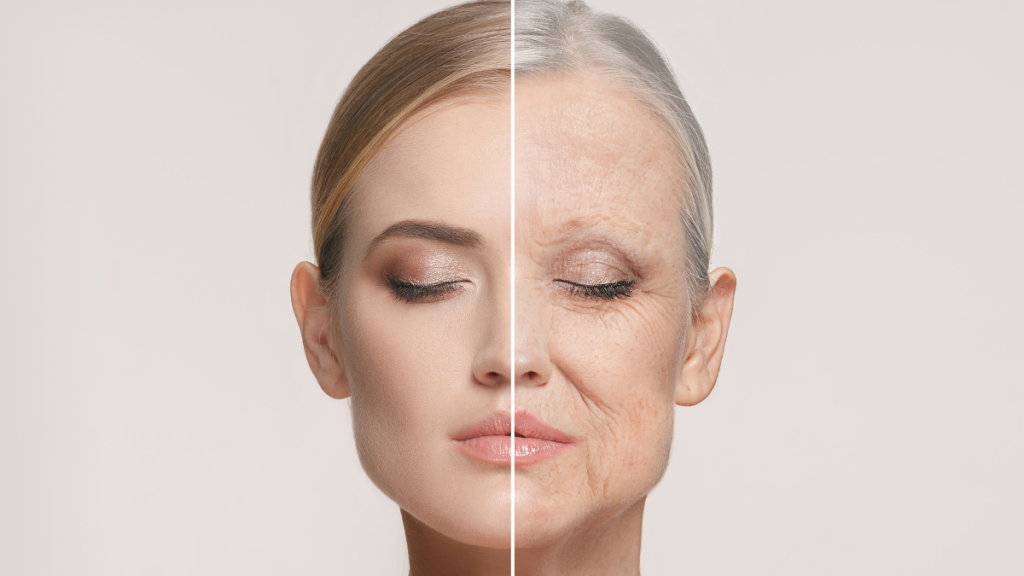
- Accelerate skin aging
- Increase inflammation
- Disrupt insulin signaling and metabolism
- Impair brain and nerve function
And yes they’re also one of the biggest reasons people feel heavy, tired, and inflamed even when they’re eating “healthy.”
How AGEs are Created?
AGEs can form both outside and inside the body:
Outside: through cooking methods like grilling, barbecuing, roasting, and frying all forms of dry, high heat. These methods create that brown, crispy layer we often crave but that comes with a biological cost.
Inside: when blood sugar levels stay high for too long, glucose molecules attach to proteins and fats in your tissues, literally “caramelizing” them from within.
That’s why people with blood sugar instability or insulin resistance accumulate more AGEs.
In short: heat + sugar = inflammation + stiffness.
The Chinese Medicine Perspective
In the language of Chinese Medicine, glycation is the modern version of damp-phlegm accumulation.
When the Spleen Qi (the organ network responsible for transforming food into energy and fluids) becomes weak often from stress, overthinking, excessive carbohydrates, or processed food it fails to “transform and transport.” Fluids stagnate. Sticky residues begin to accumulate.
Over time, this Dampness thickens into Phlegm not just the mucus you can cough up, but a systemic substance that clogs circulation and dulls the mind.
This is exactly what glycation does from a Western view: it clogs the body’s rivers.
- Chinese Medicine Western Science Manifestation
- Dampness / Phlegm Glycated proteins / AGEs – heaviness, fatigue, mental fog
- Qi stagnation, impaired circulation, bloating, pain, stiffness
- Spleen Qi deficiency, impaired metabolism, weight gain, fluid retention
- Internal heat from dampness inflammation, skin issues, redness, anxiety
When the Spleen and Liver are overburdened, detox slows down, and glycation products build up in tissues. The result: a body that feels “thick,” a mind that feels foggy, and emotions that feel stuck.
How Glycation Stops Weight Loss?
If you’ve been eating clean, exercising, and still not seeing results, glycation could be the silent saboteur.
Here’s how:
- It stiffens cell membranes. When tissues become “caramelized,” nutrients can’t move freely in and out. Fat metabolism slows down.
- It blunts insulin sensitivity. More AGEs = more inflammation = poorer glucose control. This drives cravings and fat storage, especially around the belly.
- It clogs the liver’s detox pathways. The body can’t burn fat efficiently if the liver is overwhelmed by waste.
- It weakens the Spleen and digestive Qi. The result is poor transformation and transport of fluids which TCM calls “Damp retention.”
In short: a glycated, inflamed body is a stuck body unable to release weight even with the best diet.
Glycation, Brain Fog, and Cognitive Decline
AGEs don’t just affect the skin or waistline, they’re also found in the brain. Studies show that glycation contributes to neuronal stiffness, oxidative stress, and even amyloid plaque formation, the hallmark of Alzheimer’s disease.
From a Chinese Medicine lens, this is Phlegm misting the mind when sticky damp residues obstruct the heart and brain meridians, clarity, focus, and memory decline.
That’s why people with chronic glycation often describe feeling foggy, slow, or detached. It’s not in their head, it’s in their cells.
Medications and Lifestyle Factors That Exacerbate Glycation
Certain drugs and habits can intensify glycation or damp accumulation:
Antibiotics – disrupt gut flora and weaken the Spleen.
PPIs (Proton Pump Inhibitors) – reduce stomach acid and impair digestion.
SSRIs / SNRIs – alter serotonin-gut interaction, increasing damp stagnation.
NSAIDs – create intestinal permeability, raising inflammation.
Hormonal contraceptives – disrupt liver detoxification, leading to internal heat.
Corticosteroids – increase glucose and AGEs formation.
High-heat processed foods – packaged snacks, charred meats, fried foods.
These create the perfect internal storm: poor digestion, higher sugar exposure, and slower repair.
How to Reduce Glycation Naturally?
The good news? Glycation is reversible. The body constantly replaces proteins and regenerates tissue if we give it the right environment.
Here’s how you can start:
- Choose Moist Cooking – steam, stew, poach, or bake at lower temperatures. Cooking with moisture preserves nutrients and prevents AGE formation.
- Support Your Spleen Qi – eat warm, cooked meals. Limit raw, cold, or overly sweet foods. Focus on grounding grains (like quinoa, millet, brown rice) and root vegetables (pumpkin, beetroot, carrot).
- Use Herbs That Clear Dampness – ginger, turmeric, cinnamon, and bitter greens (rocket, dandelion) all support digestion and liver detox.
- Regulate Blood Sugar – pair carbs with protein and healthy fats. Avoid long gaps without food if you’re depleted, and stay hydrated.
- Address Stress – chronic cortisol increases glycation. Deep breathing, acupuncture, EMDR, or mindfulness can rebalance your nervous system and metabolic rhythm.
- Support Gut Microbiome – fermented foods (sauerkraut, kimchi, kefir) and fibre-rich meals help reduce circulating AGEs and improve detoxification.
- Nourish the Blood – if there’s fatigue or pale complexion, include foods like beetroot, spinach, eggs, small amounts of red meat or bone broth always warm and cooked gently.
In Essence
Glycation and dampness are two sides of the same coin, one from science, one from energy medicine.
Both describe a body burdened by residues, heat, and stagnation. When you lighten that load, the whole system breathes again.
Your skin clears, your mind sharpens, your digestion calms, and your energy flows more freely.
Healing this isn’t about extremes, it’s about restoring the rhythm your body has always known.
Need help identifying if glycation or dampness is blocking your progress?
Let’s find your balance. Reach out on WhatsApp and I’ll help you uncover what your body is trying to tell you and how to restore clarity, flow, and vitality again.