
Isabel Peace is one of very few practitioners in Australia
combining EMDR therapy with acupuncture and IFS in a single
integrated session. The results go deeper and work faster
than conventional therapy alone.
Years Experience
Registered
Registered
Or Online Australia-wide
Conventional EMDR therapy (Eye Movement Desensitisation and Reprocessing therapy) is a powerful therapy. But Isabel has developed an integrated approach that combines EMDR therapy with acupuncture and IFS therapy (Internal Family Systems therapy), addressing the emotional, neurological and energetic layers of trauma simultaneously. There are very few practitioners in the world doing this work in this way.
Before or during EMDR therapy, acupuncture calms the body’s stress response and brings the client into a state of deep presence. This makes it easier to access the self-energy needed for real healing and harder for the nervous system to dissociate or avoid.
EMDR and IFS therapy go deeper than traditional talk therapy. They resolve the emotional, somatic and neurological roots of anxiety, trauma and recurring patterns, the layers that most physical treatment or talk therapy never reaches. Their integration allows for discovering what is unintegrated and heal.
Bilateral stimulation, gentle eye movements or tapping helps the brain integrate long-held challenging memories and experiences. When combined with acupuncture and IFS therapy, it allows the client to go where they need to go to explore what is in need of most help.
A patient came in with a goitre — a soft, flexible swelling in the throat, consistent with Qi stagnation in Chinese medicine. I began with gentle bilateral stimulation, asking: What emotion might be held here? Within minutes of exploring sensations, images, feelings and memories, she said: 'I know what it is. My father died, and I never got to say goodbye, never said what I needed to say.' We had found the knot. I truly believe that until that emotional blockage is released, no physical treatment alone will fully resolve it. The throat can hold what we cannot speak. The body never lies.
K. D, NSW - Sydney
— Isabel Peace. “This is the essence of integrative medicine: the physical, mental and emotional are never separate. EMDR, IFS and acupuncture together allow us to work on all layers in the same session”.
When overwhelming experiences happen, the brain doesn’t always process them completely.
Instead of becoming part of the past, fragments of the experience can remain stored in the nervous system, as images, sensations, emotional reactions, beliefs, or repeating patterns.
EMDR helps the brain revisit and reprocess those experiences safely, so they no longer feel emotionally charged in the present. Combined with IFS Therapy, this process supports deeper emotional understanding and long-term integration.
Many people describe it as if the brain is finally able to “file away” what has been left open for years.
Sometimes the memory is visual.
Sometimes it shows up as a body sensation, anxiety, emotional reactivity, or a belief such as:
“I’m not safe.”
“I’m not enough.”
“I have to stay in control.”
“I can’t move forward.”
As processing occurs, the nervous system begins separating the memory from the emotional overwhelm attached to it.
The memory may still exist, but it no longer drives the system in the same way.
EMDR can help process visual memories, scenes, emotional moments and unresolved unpleasant experiences still stored in the nervous system.
Sometimes the body holds what words can’t express. EMDR helps bring awareness to physical sensations connected to unresolved stress or trauma.
Past traumatic experiences often create unconscious beliefs that shape behaviour, relationships, eating patterns, anxiety, self-worth issues, and emotional reactions.
Many emotional patterns are not simply habits. They are protective responses created at different moments in life.
IFS — Internal Family Systems — helps identify the parts of the personality that may still be carrying, for example, fear, grief, shame, hypervigilance, perfectionism, emotional eating, people-pleasing, or self-protection.
Rather than fighting these parts, we learn to understand and appreciate their efforts in trying to help.
Once these protective patterns are identified, EMDR and IFS can work together to more precisely and safely support the conditions for integration, processing and healing.
Together, EMDR and IFS allow us to:
Most EMDR and IFS practitioners work with words, breath, and awareness. That is powerful. But the nervous system also lives in the body, in tissue, in fascia, in the energetic pathways that Chinese medicine has mapped for thousands of years.
Acupuncture does something talk therapy cannot: it physically shifts the body’s tension before the deeper work even begins.
When needles are placed, the nervous system moves out of its guarded, hypervigilant mode and into a state of genuine receptivity. Clients often describe it as the moment they finally feel safe enough to let something go. That is not a coincidence; it is physiology.
What this means in practice:
When acupuncture, EMDR, and IFS occur together in a single session, something different becomes possible. IFS helps us find which parts are holding the pain.
Acupuncture creates the conditions in the body for those parts to actually release, moving the stagnant energy that emotion leaves behind. And EMDR helps the nervous system integrate what has been found and freed, so the change holds.
You don’t need three separate appointments with three separate practitioners, trying to bridge the gaps. It happens in one room, in one session, held by one person who understands all three layers simultaneously.
That is what makes this different.
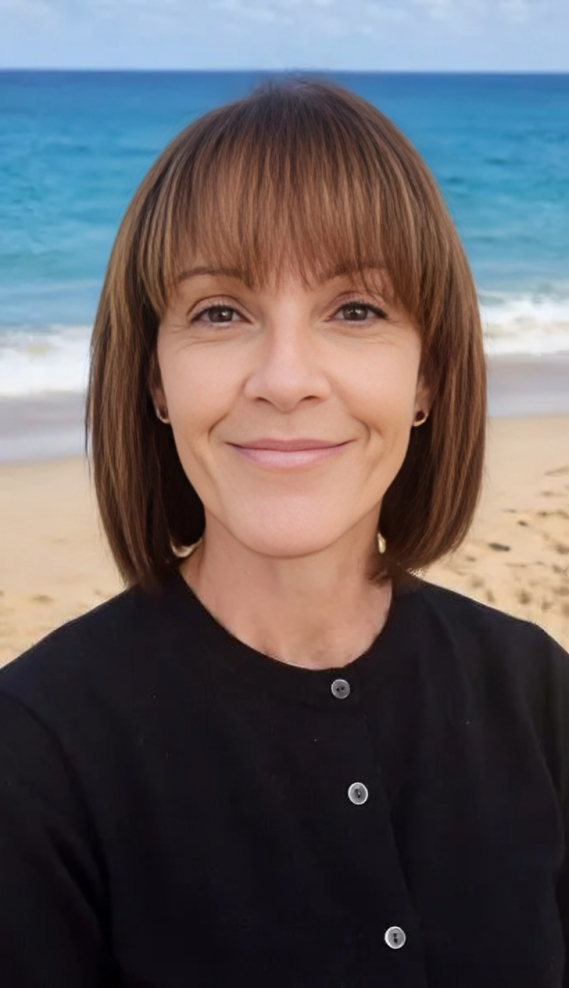
Isabel has spent most of her clinical practice working at the intersection of physical and psycho-emotional health, long before integrative therapy became a widely used term. EMDR is one of the most powerful tools she has encountered in that time, and she rarely uses it alone. The combination with acupuncture and IFS is where she consistently sees the deepest and most lasting results.